A backorder is what happens when a customer buys something you don’t actually have on the shelf yet.
The payment goes through, the order confirms, and then… nothing ships for a while. If you’ve ever gotten that “your item is backordered” email and wondered whether you’d actually get the thing you paid for, you already understand the problem better than most retailers do.
Here’s the part most guides skip: a backorder isn’t really an inventory problem. It’s a trust problem wearing an inventory problem’s clothes. Customers don’t mind waiting nearly as much as they mind not knowing why they’re waiting.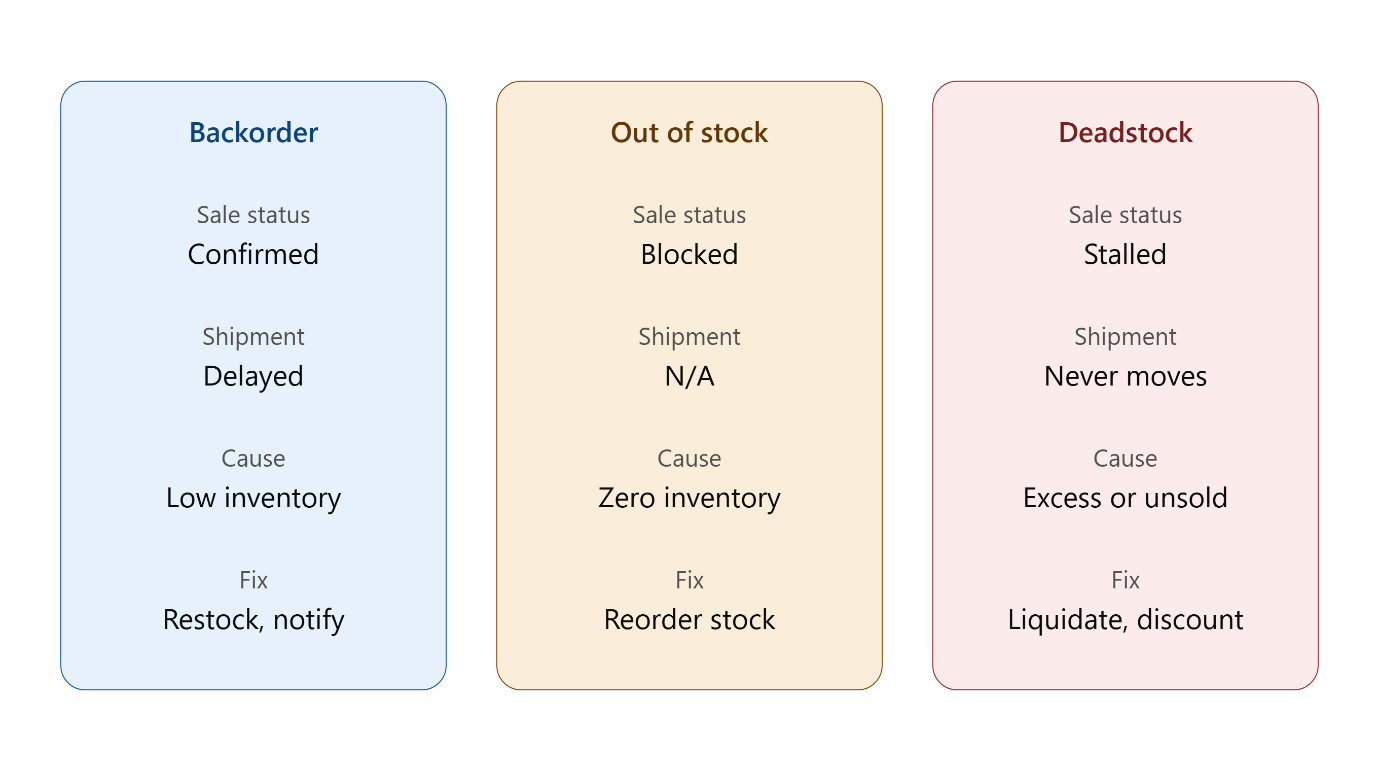
By 2026, backorders had stopped being a back-office annoyance and started being a genuine competitive weakness. DTC brands live or die on delivery reliability now so understanding what does back order mean for your specific operation, and catching it before it happens, isn’t optional anymore.
What Does Back Order Mean for Your Business?
When something goes backordered, the sale is locked in but the shipment isn’t. Three things happen almost immediately: the customer’s card gets charged, the order status flips to “backordered” or “pending fulfillment,” and if you’re doing this right someone on your team sends a real restock date instead of a vague “soon.”
That last part matters more than brands think. We’ve seen the data go both ways: customers who get a proactive, specific delay notice mostly stick around. Customers who find out their order is stuck by checking a tracking page themselves? Much less forgiving.
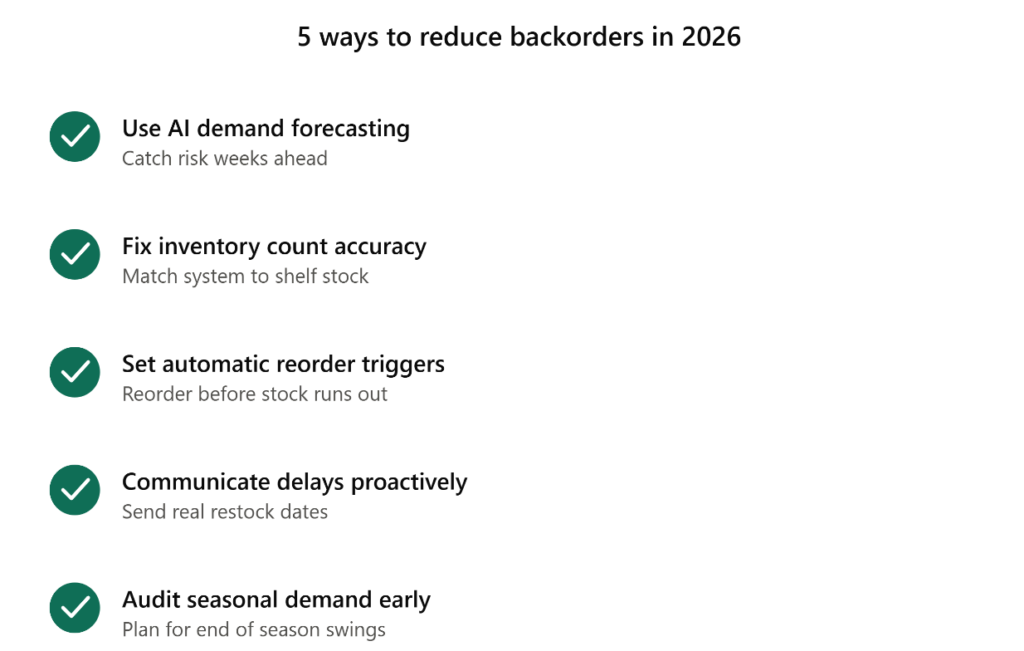
The fix isn’t better customer service scripts. It’s not going backordered in the first place — which is why 3PLs have largely moved away from spreadsheet-based stock tracking and toward predictive systems that catch the risk while there’s still time to act.
How AI Forecasting Is Reducing Stockouts and Backorders
AI forecasting reduces backorders by predicting low stock before it happens, not after. Instead of finding out a product is gone when the count hits zero, forecasting models flag the risk two to three weeks out while there’s still time to reorder.
This is one of the bigger shifts in fulfillment over the past year. The models pull from historical sales, seasonal patterns, and even outside signals like weather or a sudden spike in social mentions, and they’re honestly getting good at it faster than most operators expected.
The 3-Signal Backorder Check
A useful way to think about whether a product is at real risk of going backordered- this is the framework we walk clients through:
1. Velocity signal: Is this SKU selling faster than its historical average right now?
2. Lead time signal: How long would a reorder actually take to land, given current supplier timelines?
3. Buffer signal: Does current stock cover demand through that lead time, or does the math run out first
If even one of these signals is flashing red, the product is a backorder risk regardless of what the current stock count says.
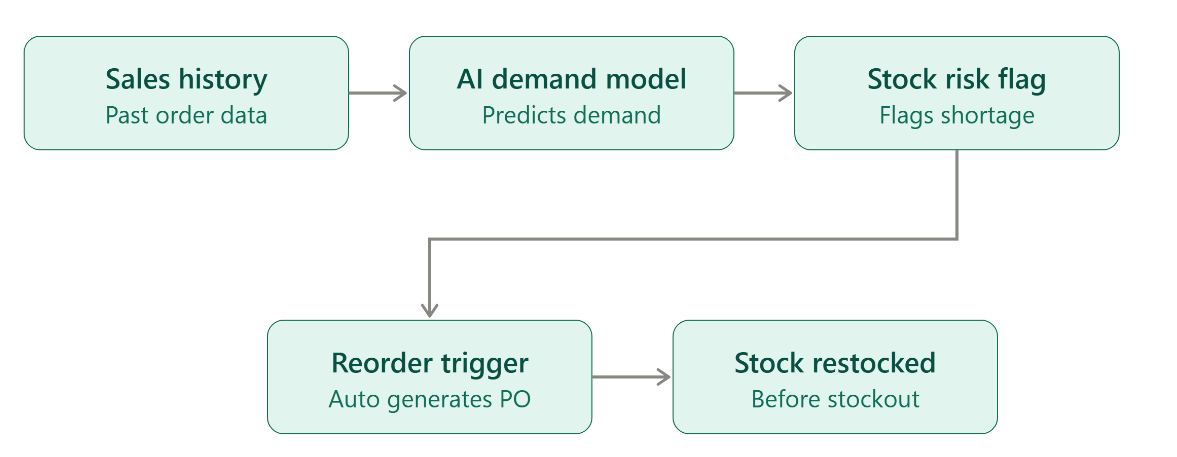
Here’s how this directly reduces backorders:
1. Inventory positioning – AI determines optimal stock levels across warehouses before demand spikes
2. Automated reorder triggers – Purchase orders are flagged automatically when stock nears a risk threshold
3. Seasonal demand modeling – Particularly valuable for categories with sharp seasonal cycles, like the supply and demand of end-of-season clothes where overordering leads to deadstock and underordering leads to backorders
This is also where the concept of deadstock connects directly to backorders, they’re two sides of the same forecasting problem. Poor demand prediction either leaves you with product that won’t sell (what does deadstock mean?) or product you can’t restock fast enough (backorders). AI forecasting is designed to solve both simultaneously.
Backorders vs. Shipment Exceptions: Don’t Confuse the Two
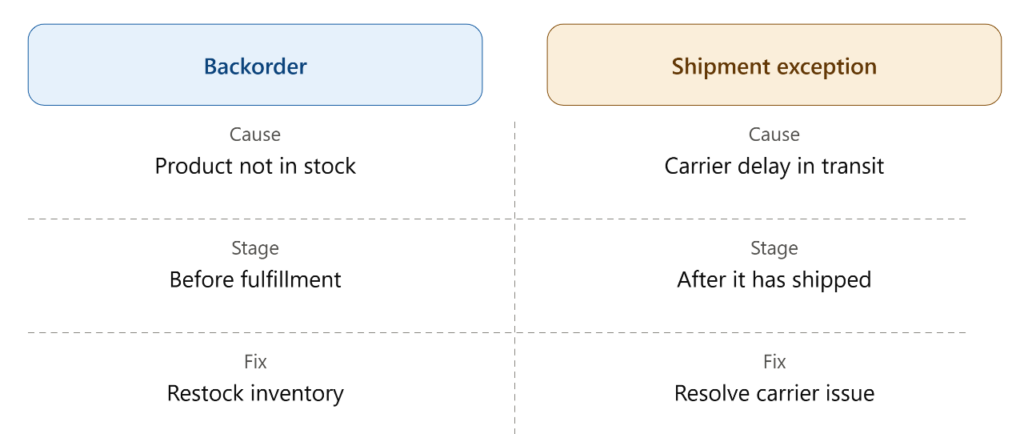
Many customers and even some brands confuse a backorder with a shipment exception. They’re not the same thing:
|
Backorder |
Shipment Exception |
|
|
Cause |
Product not yet in stock |
Package already shipped, but delayed in transit |
|
Stage |
Before fulfillment |
After fulfillment |
|
Fix |
Restock inventory |
Resolve carrier/delivery issue |
If you want a full breakdown, we cover what does shipment exception mean in a separate guide including the most common exception codes and how to resolve them quickly.
The Role of Pick and Pack Accuracy in Preventing Backorders
Backorders aren’t always caused by low inventory sometimes they’re caused by inventory inaccuracy. If your warehouse management system shows stock that doesn’t physically exist (due to picking errors, damaged goods, or miscounts), customers can order products that are technically already gone.
This is why accurate pick and pack processes are a frontline defense against false-positive stock availability. Modern 3PLs pair automation with real-time inventory scanning so that what’s shown online always matches what’s physically on the shelf.
How This Applies to Amazon Sellers
For sellers using Amazon FBA, backorder risk is compounded by prep and labelling requirements. If your inventory isn’t properly prepped and labeled before it reaches a fulfillment center, it can sit in receiving queues effectively creating a self-inflicted backorder.
This is where working with an experienced prep center for FBA using dedicated Amazon prep services helps brands avoid delays that have nothing to do with actual stock levels just processing bottlenecks.
Key Takeaways
1. A backorder means the sale is confirmed, but shipment is delayed due to low stock
2. AI forecasting is helping brands predict and prevent backorders before they happen
3. Backorders, deadstock, and shipment exceptions are related but distinct problems each needs a different fix
4. Accurate pick and pack processes and reliable FBA prep reduce backorder risk that isn’t even inventory-related